

Various Types Of Fences in East Greenwich, RI
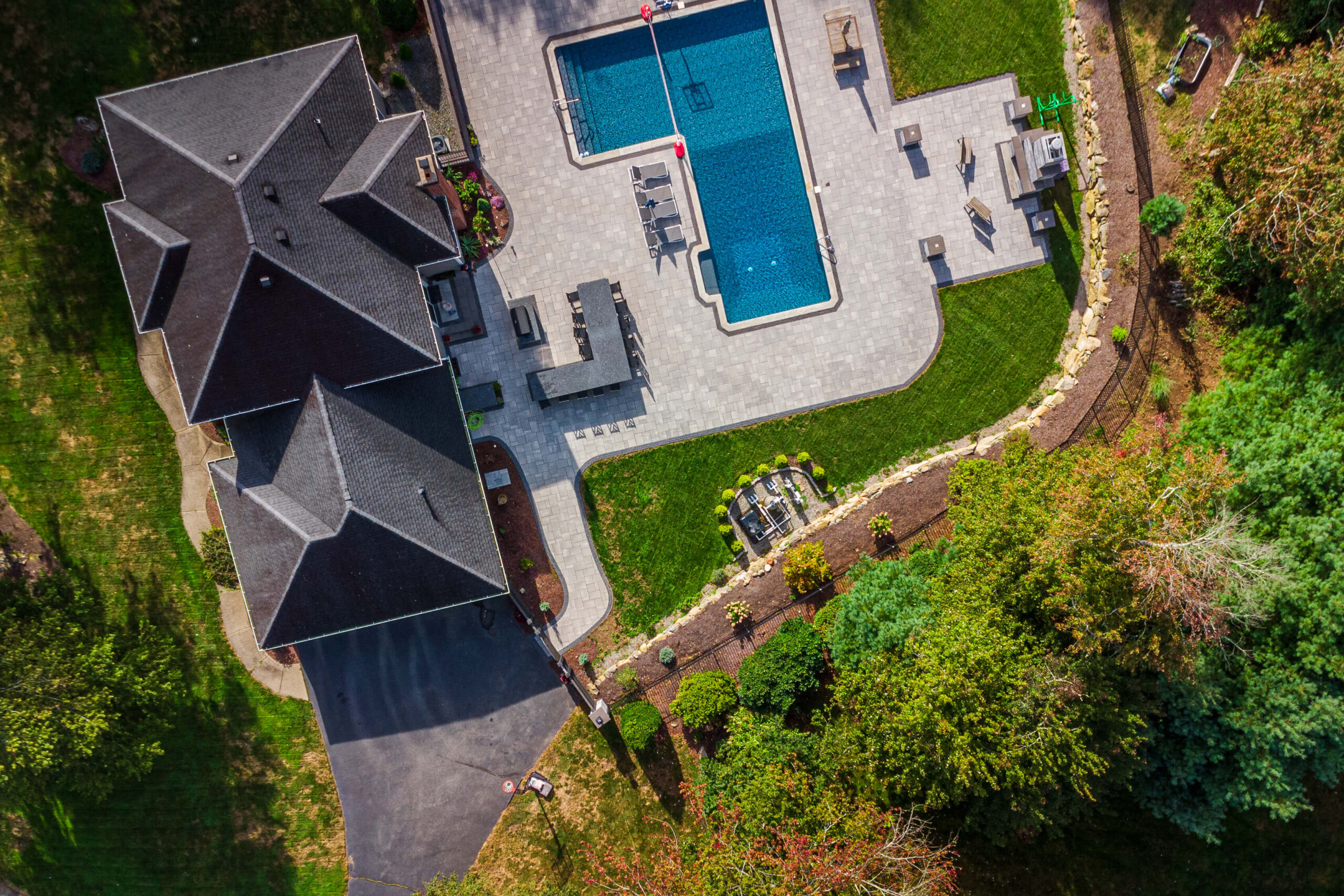
The best starting point for an East Greenwich fence is a sketch of how you use the yard. Mark the patio, driveway, play space and places where a gate would save a long walk. Then mark the areas that actually need privacy. You may find that a combination of open and screened sections is more useful than one fence type around the whole lot.
Make a short list of what matters
For an East Greenwich homeowner, a useful fence comparison starts with a short list: the privacy you need, what the enclosure must contain and the maintenance you want to take on. Keep that list beside the material samples. It makes it easier to distinguish a practical choice from a style that looks attractive but does not solve the problem.
A yard may need more than one kind of boundary. A private patio, an open frontage and a dog enclosure serve different purposes. Mark those areas on a sketch before deciding that one material should run around everything. The layout can be more important than choosing a single product category.
How much do you want to see through the fence?
For screening, compare solid wood and vinyl arrangements. Wood offers options in board pattern, finish and detail. It also brings a care routine that should be taken seriously. Inspecting the fence, maintaining the finish and addressing damaged boards are part of ownership, not unexpected extras.
Vinyl can provide privacy without the same painting or staining routine. The actual system still matters. Look at panel construction, gates and installation requirements. Ask how the design handles changes in ground level and what the complete line will look like from both sides.
If visibility is the priority, compare open picket, ornamental and other open systems instead of expecting a privacy product to do that job. A shorter screened section in the right place may be enough, leaving the rest of the yard more open. Plan transitions so the result looks deliberate.
What must stay inside the enclosure?
For a dog yard, check openings below the fence and at gates as well as spacing between pickets. The animal’s size and behavior should influence the specification. A decorative boundary may look complete while leaving an opening that is significant for a small pet.
Chain link can be a practical open enclosure. Compare mesh, height, finish and gate arrangement rather than assuming every chain-link proposal describes the same work. Aluminum ornamental systems offer another open option with a different appearance. In either case, the full route and all the junctions deserve attention.
Rail fencing is a more open boundary and should not be assumed to provide close containment by itself. If additional material is needed, include it in the design and estimate. A fence should be chosen for the actual purpose rather than judged only by the style name.
What upkeep fits your routine?
Materials differ in the finishing work they ask for, but reduced routine maintenance does not mean no inspection. Gates and fittings move or wear, and the condition along the ground can change. Ask for the recommended care of the named product so the decision is based on something more useful than a broad sales promise.
For metal designs, establish whether the system is aluminum, steel or traditional iron and what finish is specified. Similar-looking fences can have different care requirements. Discuss exposure along the actual boundary and the compatibility of fittings as part of that choice.
How will you get through the yard?
Put gates on the sketch before finalizing panel quantities. Think about the route from the driveway and house, then list the equipment or bulky items that need access. Check the direction of swing and the ground underneath. An opening that is convenient on paper may be awkward if it swings into a slope or planting bed.
Access for installation needs planning too. Discuss removal of an old fence, clearing and protection of features that should remain. Confirm the boundary rather than relying on an existing enclosure to establish it. The written scope should make the responsibilities clear and explain how an unexpected condition would be reviewed.
Can open and screened sections share one design?
They can when each section has a clear purpose and the junction is planned. Consider support, height, appearance and any containment need at the transition. A mixed layout should be designed as a whole rather than assembled from unrelated later additions.
Where do I confirm the requirements in East Greenwich?
Ask the building or zoning office about the proposed location, height and use at the address. Confirm whether any additional review applies. A pool barrier needs consideration of the full enclosure and gates, not just a choice of material.
Our fence material guides provide more detail. Visit the East Greenwich service page for local information. Fence Pros Direct holds Rhode Island contractor license #20431.
